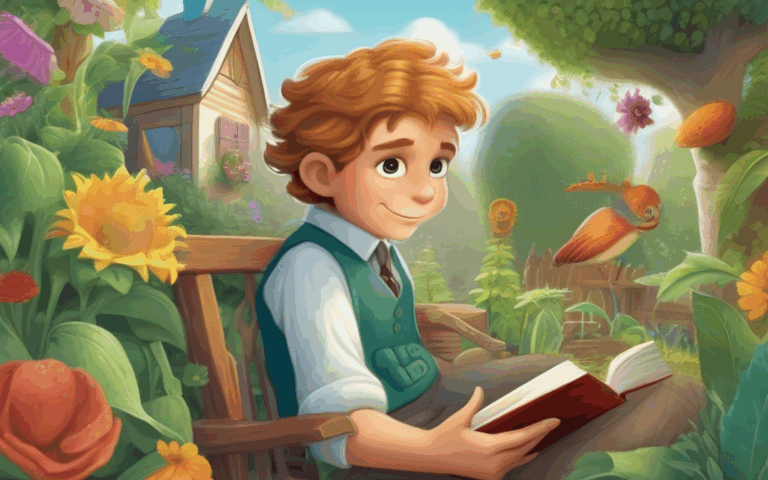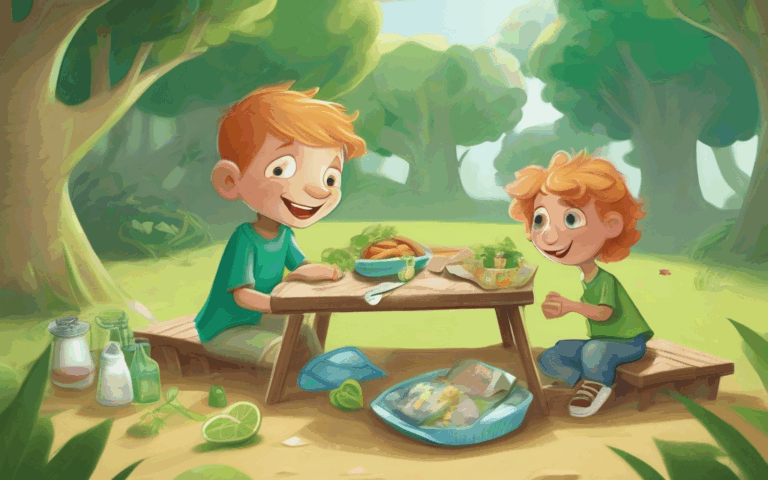
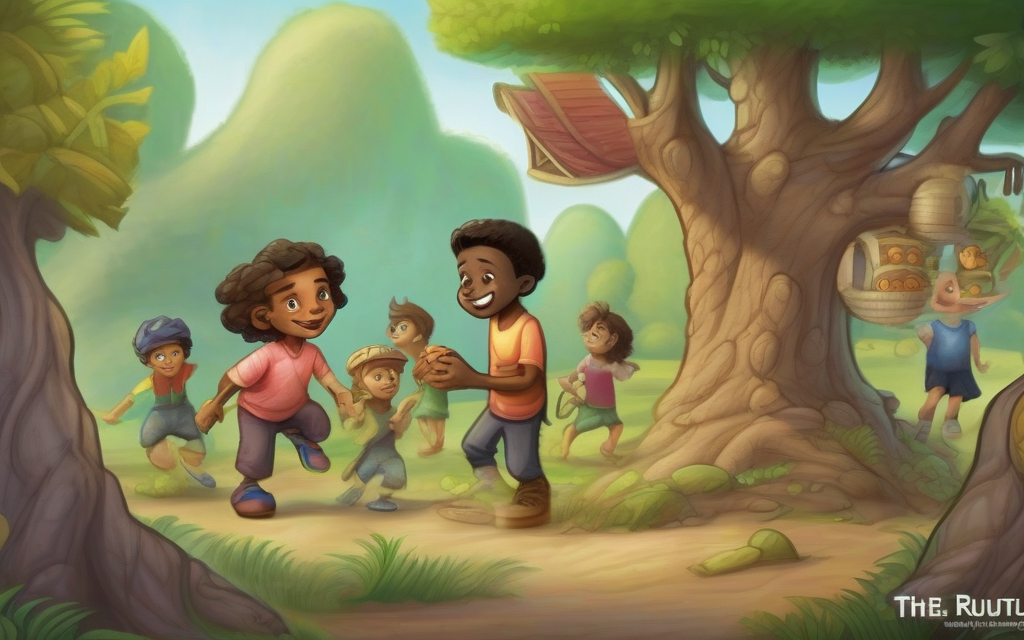
The sun beamed down on Elmwood Elementary, making the red brick walls glow. Behind the school cafeteria, there was a patch of land. For years, it had been just that—a patch of land. Full of stubborn weeds, scattered rocks, and forgotten dreams. Until Ms. Chen, the fifth-grade teacher, had an idea that sparked like a sunbeam itself.
“Class,” she announced one Monday morning, “we are going to create a school garden!”
A ripple of murmurs went through the classroom. Some students, like Maya, whose family loved to visit farms, gasped with excitement. “A real garden? With vegetables?” she asked, her eyes wide. Others, like Leo, who preferred reading comic books to digging in dirt, looked a little less thrilled. “But Ms. Chen,” he started, “I don’t even know how to grow a sunflower!” Chloe, always drawing in her notebook, imagined rows of colorful flowers, making the garden look like a painting.
Ms. Chen smiled. “That’s the best part, Leo. We’re all going to learn together. This isn’t just about growing plants; it’s about growing our minds, our teamwork, and our understanding of where our food comes from.”
The first day in the garden was… an adventure. The patch of land looked much bigger and tougher up close. The soil was hard, clumpy, and seemed to cling to every rock it could find. Weeds, with roots that seemed to go on forever, had made themselves very comfortable.
“This is going to take forever!” grumbled Ben, trying to pull out a particularly stubborn thistle. Maya, with her sleeves rolled up, was already attacking a cluster of dandelions with a small shovel. Leo, surprisingly, found himself enjoying the methodical task of clearing rocks into a bucket. Chloe, after sketching a design for the garden layout, started marking pathways.
Ms. Chen walked among them, offering encouragement and explaining. “This hard soil tells us something. It needs some help to become soft and rich for our plants. We need to add compost!”
The class learned about compost, a magical mix of old food scraps, leaves, and grass clippings that turns into amazing, nutrient-rich soil. Over the next few weeks, they collected fruit peels, coffee grounds, and fallen leaves from the schoolyard, building a towering compost pile behind the garden. They turned the soil, added the dark, earthy compost, and slowly, the ground began to change. It became darker, softer, and smelled wonderfully fresh.
Next came the big question: what to plant? Ms. Chen brought in seed catalogs and books about gardening. Maya wanted tomatoes and bell peppers. Leo, after some research, suggested hearty carrots and potatoes that grew underground. Chloe, of course, wanted beautiful marigolds and zinnias to attract pollinators and make the garden cheerful.
They held a class vote, planned their garden beds, and carefully marked out rows. Planting the seeds was a delicate operation. Tiny seeds, smaller than a grain of rice, held the promise of a future plant. “Each one is a tiny miracle,” Ms. Chen reminded them, “full of potential.”
But a garden, like any big project, had its challenges. One week, tiny green shoots appeared, only to be nibbled by unseen creatures overnight. “Aphids!” cried Maya, pointing to tiny green bugs on a pea shoot. The class learned about garden pests and natural ways to keep them away. They researched companion planting and planted fragrant marigolds and basil near their vegetables, known for deterring pests.
Then came a long, hot spell. The little plants, no longer tiny shoots, began to wilt. “Oh no, they’re thirsty!” exclaimed Chloe. The students quickly organized a watering schedule, learning how much water each plant needed and the best time of day to water them so the precious liquid soaked into the soil instead of evaporating. Leo even figured out a way to rig a small rain barrel to collect water from the roof of the shed, making them more efficient.
There were days when spirits sagged. Weeds seemed to grow back faster than they could pull them. Some plants grew slowly, others seemed to struggle. But Ms. Chen always reminded them, “Patience, persistence, and teamwork. Every garden has its ups and downs, just like life.”
They also had help. Mr. Henderson, a retired gardener from down the street, volunteered to visit once a week. He taught them how to prune tomato plants, showed them the difference between good bugs and bad bugs, and shared stories of his own gardening adventures. He had a way of making even the toughest task seem interesting. “Gardening is just listening to nature,” he’d say with a twinkle in his eye.
Slowly, steadily, the garden began to flourish. The lettuce grew crisp and green. Bright red tomatoes peeked out from behind lush leaves. Sunny yellow squash emerged, and the marigolds bloomed in cheerful oranges and yellows, attracting busy bees.
Harvest day was a celebration. The students carefully picked their produce, their baskets overflowing. They washed the vegetables, marveling at the vibrant colors and the fresh, earthy smell. They had grown this! With their own hands, their own effort, and their own teamwork.
They decided to host a “Harvest Share” for the school. They made big, colorful posters (designed by Chloe, of course) announcing fresh garden produce. They set up tables in the school hall, displaying their bounty. Teachers, parents, and even students from other classes came by, admiring the vegetables and herbs.
Maya proudly explained how they grew the carrots. Leo demonstrated how the rain barrel worked. And Chloe offered little bouquets of fragrant herbs. Everyone loved the fresh taste of their very own school garden. Parents even offered to help next year, inspired by the children’s success.
The school garden wasn’t just a patch of land anymore. It was a thriving place of learning, growth, and community. The students had learned so much more than how to plant a seed. They learned that hard work, even when it’s dirty and difficult, can be incredibly rewarding. They discovered the power of working together, helping each other, and sharing knowledge. They understood that healthy food doesn’t just appear on a supermarket shelf; it comes from careful planning, consistent effort, and a little bit of magic from the earth.
As the school year ended, the garden continued to grow, tended by a summer club. Maya, Leo, and Chloe often visited, checking on their plants, feeling a quiet pride swell in their chests.
The School Garden Project taught them a profound lesson: that with patience, cooperation, and a willingness to learn, you can turn a neglected patch of land into something beautiful and bountiful. It showed them that even the biggest challenges can be overcome with steady effort, and that taking care of the earth, and each other, brings the sweetest rewards. And every time they saw a ripe tomato or a vibrant green lettuce leaf, they remembered the joy of growing something truly special, together.