# Non-Fiction Story Idea 24
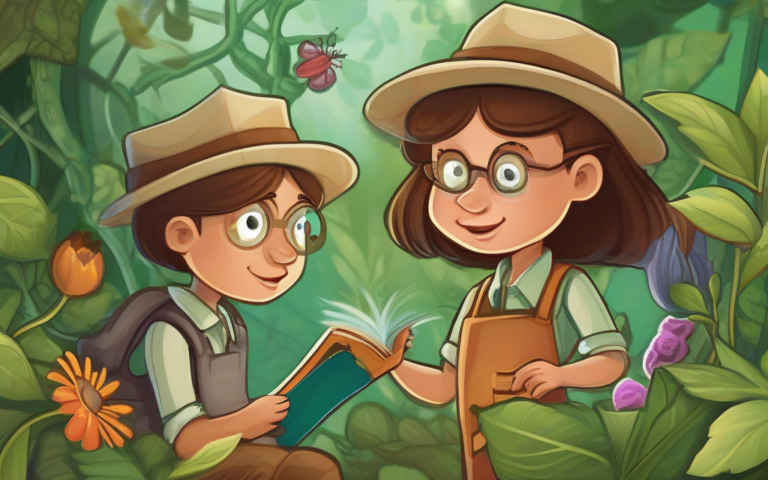
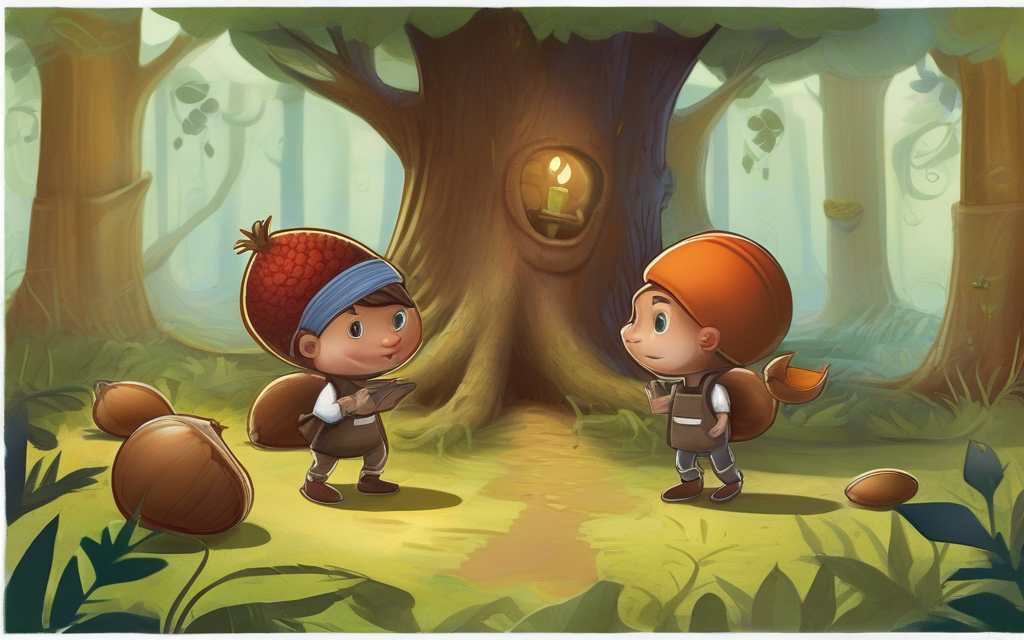
Leo loved to explore. His best friend, Mia, loved to ask questions. Together, they were a perfect team for uncovering mysteries, especially in Leo’s grandpa’s sprawling backyard. Grandpa Arthur was a retired botanist, which meant he knew almost everything about plants, from the tiniest moss to the tallest oak. His garden wasn’t just a garden; it was a living, breathing library of nature.
One sunny afternoon, while digging for buried treasure (which usually turned out to be interesting rocks or forgotten gardening tools), Mia found something curious. It was tiny, no bigger than her thumbnail, and felt smooth and hard in her palm. It looked like a miniature brown pebble, but something about its shape suggested it was more.
“What is this, Leo?” she asked, holding it up.
Leo carefully took it. “Looks like a seed,” he declared, though he wasn’t entirely sure what kind. He knew seeds were important, but they always seemed so… still. So quiet. He often wished they would just sprout instantly, like magic.
Grandpa Arthur, watering his prize-winning roses nearby, chuckled. “Ah, a little champion, you’ve found! That, my dears, is an acorn. The very beginning of a mighty oak tree.”
Leo’s eyes widened. “This tiny thing? An oak tree? But oak trees are enormous! They take forever to grow!” He often felt impatient waiting for things.
Mia, ever curious, added, “How does it know what to do? It just sits there.”
Grandpa Arthur smiled, a twinkle in his kind eyes. “That’s the wonder of it, isn’t it? Nature has many secrets, and many of its biggest adventures happen quietly, out of sight. Why don’t we try to uncover one of them?”
He led them to his workshop, a place filled with earthy smells and fascinating tools. From a shelf, he brought down a large, clear glass jar and a bag of special potting soil.
“We’re going to plant your acorn,” he explained. “But not in the ground, not yet. We’ll plant it here, where we can watch its secret journey begin.”
Leo and Mia carefully placed the acorn in the soil-filled jar, just below the surface. Grandpa Arthur helped them add a little water.
“Now,” he said, “your challenge is to observe. Not just what happens above the soil, but what you can imagine is happening below. Because down there, a whole hidden world is waking up.”
For the next few days, Leo and Mia checked the jar every morning. They saw nothing. The soil looked the same. The acorn looked the same.
“It’s just sitting there,” Leo sighed, his impatience growing. “I thought something exciting would happen.”
Mia frowned. “Maybe it’s broken? Or it’s taking a really long nap.”
Grandpa Arthur sat with them on the porch swing. “Ah, but that’s the trick, isn’t it? Nature doesn’t always put on a big show right away. Imagine this: inside that tiny acorn is a blueprint, a tiny map for a giant tree. It’s waiting for the perfect moment. And right now, underground, it’s building its foundation.”
He explained that the acorn needed water to tell it, “Wake up!” It needed warmth from the sun, even through the soil, to signal, “Time to grow!”
“First,” Grandpa continued, “a tiny root will push out. Not just any root, but a super important one called the taproot. Think of it like a clever explorer, digging deep into the earth to find water and nutrients. It’s like the tree’s straw, sucking up all the goodness.”
He described the soil as a bustling city, full of tiny, invisible workers. He told them about soil microbes, so small you couldn’t see them, helping to break down leaves and twigs into food for the growing plant. He talked about tiny fungal threads, called mycelium, stretching out like a secret underground network, connecting roots and sharing nutrients.
“It’s a huge, busy party down there,” he whispered, making Leo and Mia giggle. “And your little acorn is trying to join in, sending out its first invitations in the form of roots.”
Day after day, Leo and Mia kept watching. They started imagining the busy city beneath the soil. They pictured the taproot diving deep, then little side roots branching out like busy streets. They imagined the invisible microbes handing the roots tiny plates of delicious plant food.
And then, one morning, something amazing happened. A tiny, pale green shoot, no thicker than a thread, gently pushed its way through the surface of the soil. It unfurled two delicate, heart-shaped leaves.
“Look!” Mia gasped, pointing excitedly.
Leo stared, mesmerized. It wasn’t a sudden explosion, but a quiet, determined arrival. This tiny sprout, born from the patient acorn, was truly magnificent.
Over the next few weeks, the seedling grew taller. They moved the jar into a sunny spot, and Grandpa Arthur explained another secret: photosynthesis. He told them that the green leaves were like tiny solar panels, capturing sunlight. They used the sun’s energy, along with water from the roots and a gas called carbon dioxide from the air, to make their own food!
“It’s like the leaves are cooking delicious sugar snacks for the whole plant,” Grandpa said. “And the best part? While they’re cooking, they release oxygen, the air we all breathe. So, trees aren’t just beautiful; they’re breath-givers!”
Leo and Mia watched their seedling thrive. They learned to carefully water it, to make sure it had enough light. They felt a sense of pride and wonder. They had seen the slow, powerful magic of growth.
When the seedling was strong enough, they carefully transplanted it into a sunny spot in Grandpa Arthur’s garden. It was still tiny compared to the big oak trees, but now Leo and Mia knew its story. They knew about the patient acorn, the exploring roots, the busy soil city, and the sun-catching leaves.
They understood that even the biggest, most amazing things in the world, like a giant oak tree providing shade for generations, start from something tiny and require a lot of hidden, quiet work.
From that day on, Leo wasn’t so impatient. He looked at every small seed, every tiny sprout, with new eyes. Mia continued to ask questions, but now she knew that sometimes the most profound answers are found by observing the quiet, invisible work of nature.
The moral of their discovery was clear: **Great things often start from small beginnings and grow with patience, care, and a lot of important work that you might not always see. Just because something is quiet or hidden, doesn’t mean it isn’t incredibly powerful and essential.**