# The Helping Hands Club
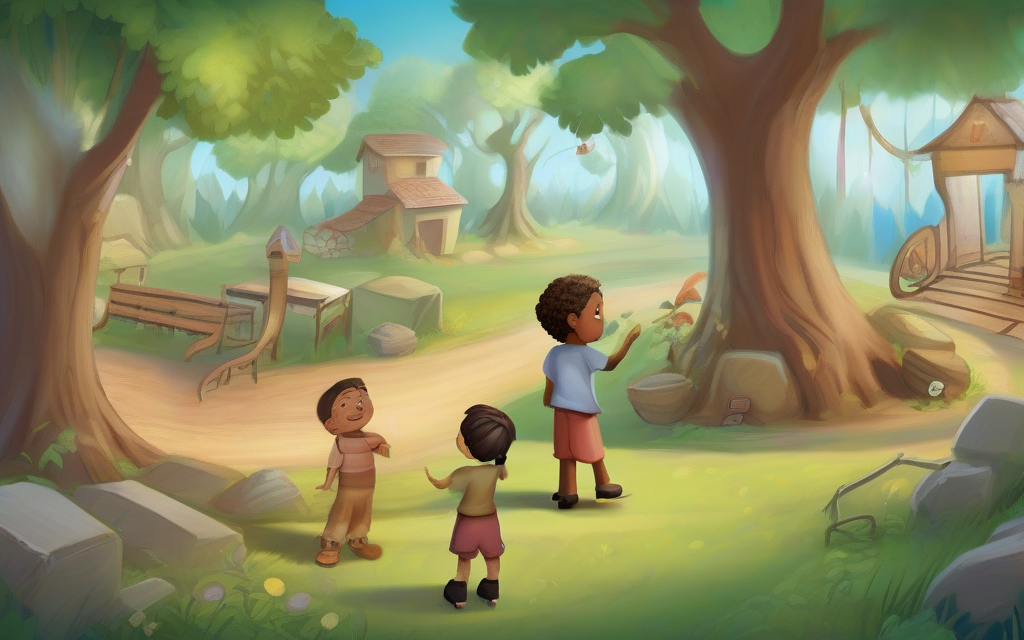
Leo, Maya, and Sam were the best of friends. They did everything together, from sharing their favorite lunchtime sandwiches to inventing new games during recess. One sunny afternoon, as they walked home from school, their usual path took them past Willow Creek Park.
Willow Creek Park used to be a buzzing place, full of children playing tag and families enjoying picnics. But lately, it looked a bit sad. The swings hung crookedly, their chains rusted. The wooden benches had splinters, and the once colorful flowerbeds were now thick with weeds. A lonely plastic bottle lay half-buried near a broken slide.
“It looks so empty,” sighed Maya, her bright eyes usually full of sparkle, now a little dim.
Sam, who loved to climb trees and race across open fields, kicked at a loose stone. “Nobody plays here anymore. It’s too messy.”
Leo, who was often quiet but always thinking, nodded slowly. He remembered his grandma telling him how communities used to take care of their public spaces. “What if we could do something?” he wondered aloud.
Maya’s eyes lit up. “Like what? We’re just kids!”
“Even small hands can do big things,” Leo said, remembering another one of his grandma’s sayings. “We could start a club. A club for helping.”
Sam grinned. “The Helping Hands Club!” he announced. “I like it!”
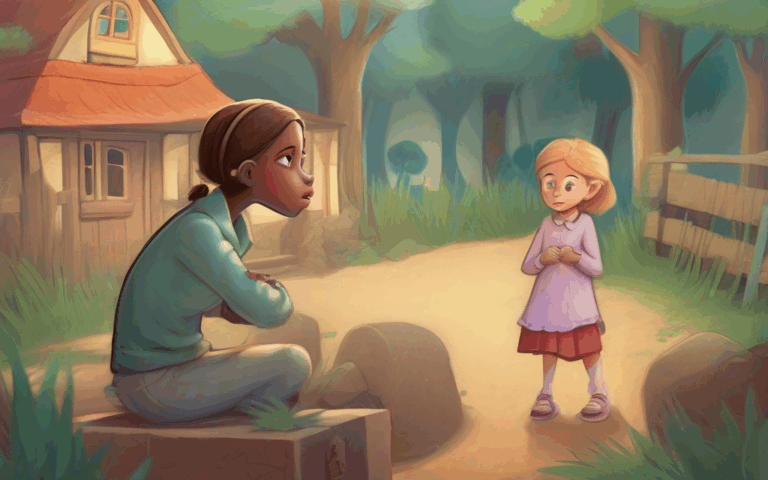
That evening, the three friends brainstormed ideas. They knew they wanted to fix the park, but they weren’t sure where to start. The next morning, they bravely approached Mrs. Davis, their kind and clever fifth-grade teacher. Mrs. Davis always had a twinkle in her eye and a solution for every problem.
“That’s a wonderful idea!” Mrs. Davis exclaimed after they told her about their dream for Willow Creek Park. “But a big project needs a big plan. It’s like baking a cake; you need to gather all your ingredients and follow the steps.”
She helped them make a list. First, they needed permission. They wrote a polite letter to their school principal, Ms. Green, explaining their club and their idea for the park. Ms. Green was so impressed by their initiative that she immediately gave her approval and offered to help them contact the city’s parks department.
Next, Mrs. Davis taught them about breaking down big tasks. “Instead of thinking ‘clean the whole park,’ think ‘pick up litter,’ then ‘weed the flowerbeds,’ then ‘paint the benches.’ One step at a time!”
Leo became the chief planner. He drew a map of the park and marked areas that needed attention. Maya, with her artistic flair, created a beautiful poster showing what the park *could* look like, with bright flowers and shiny swings. Sam, being the strongest, started thinking about what tools they would need – gloves, trash bags, small shovels, and paintbrushes.
“We also need supplies,” Maya pointed out. “Paint for the benches, new flower seeds…”
Mrs. Davis suggested they ask for help from their community. “Many local businesses and neighbors would be happy to lend a hand or donate supplies once they know about your wonderful club.”
So, Leo, Maya, and Sam, with a little help from Mrs. Davis, went door-to-door in their neighborhood, explaining their project. They even visited Mr. Henderson at the local hardware store and Ms. Lily at the flower shop. To their surprise and delight, people were incredibly generous! Mr. Henderson donated cans of bright green and blue paint, and Ms. Lily gave them bags of colorful flower seeds. Many neighbors pledged to join them on their clean-up day.
The big day arrived on a Saturday morning. The sun shone brightly, as if cheering them on. More than twenty people from the community showed up! There were parents, older students, and even some younger children eager to help.
Leo organized everyone into groups based on his map. Maya handed out gloves and explained where to plant the new seeds. Sam directed people to the areas that needed the most weeding and painting.
Everyone worked together, chatting and laughing. Little hands carefully pulled out weeds, while bigger hands painted the park benches with fresh, vibrant colors. Families worked side by side, picking up every piece of litter. They shared juice boxes and cookies that Maya’s mom had baked.
By late afternoon, Willow Creek Park was transformed. The old, rusty swings were polished and gleamed in the sun. The benches were a cheerful green and blue. The flowerbeds, once choked with weeds, now held rows of tiny, hopeful flower seeds. The pathways were swept clean. The air felt lighter, filled with a sense of accomplishment.
Maya spun around in the middle of the revitalized park, her braids flying. “It’s beautiful!” she gasped.
Sam high-fived Leo. “We did it! We really did it!”
Leo looked around, a big smile spreading across his face. “It wasn’t just us, though. It was everyone working together.”
And it was true. Willow Creek Park quickly became a favorite spot again. Children laughed on the swings, families enjoyed picnics on the freshly painted benches, and the new flowers bloomed into a riot of color. The Helping Hands Club didn’t stop there. They continued to meet regularly, finding other small projects in their school and neighborhood, always ready to lend a hand.
The friends learned that day that making a difference isn’t about being the biggest or the strongest, but about having a kind heart and being willing to work together. They discovered that when you take responsibility for your community and encourage others to join in, amazing things can happen. Even the smallest act of kindness, when multiplied by many, can create a wonderful ripple effect, making the whole world a brighter, happier place for everyone.